Trezor.io/Start - Complete Setup Guide
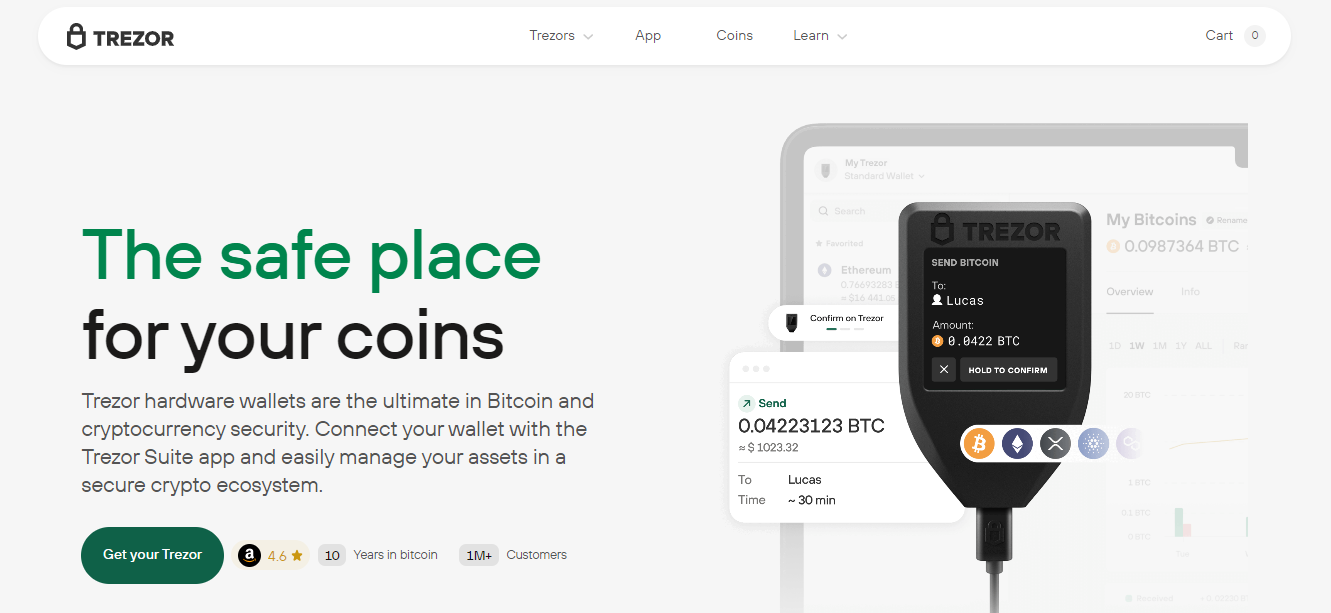
Welcome to your comprehensive guide for setting up your Trezor hardware wallet. This step-by-step tutorial will walk you through the entire process of initializing, securing, and using your Trezor device to protect your cryptocurrency assets.
What You'll Need
- Your Trezor hardware wallet (Model T or One)
- The provided USB cable
- A computer with internet access
- The recovery seed card (included in your package)
- Approximately 15-30 minutes of uninterrupted time
Step-by-Step Setup Process
Step 1: Connect Your Trezor Device
Begin by connecting your Trezor to your computer using the provided USB cable. If this is your first time connecting the device, your computer may need a moment to install the necessary drivers.
Once connected, you should see the Trezor logo appear on the device screen. If the device doesn't power on, try using a different USB port or cable.
Step 2: Visit Trezor.io/Start
Open your web browser and navigate to trezor.io/start. This official setup page will automatically detect your Trezor model and provide the appropriate instructions.
The website will prompt you to install Trezor Bridge, a communication tool that allows your browser to interact with the hardware wallet. Follow the on-screen instructions to download and install this component.
Step 3: Install Trezor Suite
While you can use the web interface, we highly recommend downloading Trezor Suite for the best experience. Trezor Suite is a dedicated desktop application that offers enhanced security features and a more comprehensive set of tools.
Download the appropriate version for your operating system (Windows, macOS, or Linux) and follow the installation instructions.
Step 4: Initialize Your Device
When you launch Trezor Suite or the web interface, you'll be presented with two options:
- Create New Wallet: Select this if this is your first Trezor or you want to start fresh
- Recover Wallet: Choose this if you're restoring from a backup
For new users, select "Create New Wallet" to continue.
Step 5: Install Firmware
Your Trezor may require a firmware update before proceeding. Firmware is the operating system of your hardware wallet, and keeping it updated is crucial for security.
Follow the on-screen prompts to install the latest firmware. Do not disconnect your device during this process as it may render your Trezor unusable.
Step 6: Create Your Backup (Recovery Seed)
This is the most critical step in securing your cryptocurrency. Your recovery seed is a list of words that can restore access to your funds if your Trezor is lost, stolen, or damaged.
Your Trezor will generate a unique 12, 18, or 24-word recovery seed. Carefully write down each word in the exact order presented on your device screen using the provided recovery card.
- Write the words clearly with a permanent pen
- Never store your seed digitally (no photos, cloud storage, or text files)
- Keep multiple copies in separate secure locations
- Consider using a metal backup solution for fire/water protection
- Never share your seed with anyone - Trezor will never ask for it
Step 7: Verify Your Backup
After writing down your recovery seed, Trezor will ask you to verify it by selecting the words in the correct order. This ensures you've recorded the seed accurately and can restore your wallet if needed.
Take your time with this step - accurately restoring your seed is essential for future recovery scenarios.
Step 8: Set Up PIN Protection
Your PIN adds an additional layer of security, preventing unauthorized access even if someone physically possesses your Trezor.
Create a PIN of your choice (up to 9 digits). The device screen will show a randomized number layout to prevent keyloggers from capturing your PIN.
Remember your PIN - if you enter it incorrectly too many times, the device will wipe itself for security.
Step 9: Name Your Device
Give your Trezor a recognizable name, especially useful if you plan to use multiple devices. This name will appear when connecting to Trezor Suite.
Using Your Trezor Wallet
Accessing Your Wallet
Once setup is complete, you can access your wallet through Trezor Suite. Connect your device whenever you want to view balances, send transactions, or manage your cryptocurrency.
Receiving Cryptocurrency
To receive funds:
- Connect your Trezor and open Trezor Suite
- Navigate to the account for the cryptocurrency you want to receive
- Click "Receive" to generate a receiving address
- Verify the address on your Trezor device screen
- Share this address with the sender
Sending Cryptocurrency
To send funds:
- Connect your Trezor and open Trezor Suite
- Navigate to the account containing the cryptocurrency you want to send
- Click "Send" and enter the recipient's address
- Specify the amount and review transaction details
- Confirm the transaction on your Trezor device
Security Best Practices
- Always verify receiving and sending addresses on your Trezor screen
- Keep your recovery seed secure and offline
- Use a strong, unique PIN
- Regularly update your Trezor firmware
- Only purchase Trezor devices from official sources
- Enable passphrase encryption for additional security (advanced users)
Troubleshooting Common Issues
Device Not Recognized
If your computer doesn't recognize your Trezor:
- Try a different USB cable or port
- Restart Trezor Bridge or reinstall it
- Try on a different computer if possible
Forgotten PIN
If you've forgotten your PIN:
- You'll need to wipe your device and restore from your recovery seed
- This process will erase all data on the device
- After restoration, you can set a new PIN
Lost or Stolen Device
If your Trezor is lost or stolen:
- Immediately use your recovery seed to restore your wallet on a new Trezor
- Consider moving funds to a new wallet with a new recovery seed for maximum security
- Remember that without your PIN or recovery seed, the device is useless to thieves
Additional Resources
For more detailed information, advanced features, or support:
- Visit the official Trezor Knowledge Base
- Join the Trezor community forums
- Contact Trezor support for specific issues
- Explore advanced features like Shamir Backup and CoinJoin
Congratulations! You've successfully set up your Trezor hardware wallet and taken a significant step toward securing your cryptocurrency investments. Remember to regularly back up important wallet information and keep your recovery seed safe.